Implementing audio marketing requires strategic planning and precise execution to ensure campaigns are effective and achieve intended goals. Here is an advanced guide for each step:
Before you start creating audio content, it's important to set clear and measurable goals. Think about what specific results you want to achieve. Some examples of audio marketing goals could be:
- Increase brand awareness: Use catchy jingles or sponsored podcasts to promote your brand to a wider audience.
- Building a relationship with the audience: Regular podcasts or audio messages that provide value and regularly engage listeners.
- Drive direct sales: Special offers and calls-to-actions in audio formats that encourage listeners to make an immediate purchase.
A deep understanding of your target group is crucial to the success of your audio marketing. Consider the following aspects:
- Demographics: age, gender, occupation, income, etc.
- Interests and preferences: What topics are your target group interested in? What hobbies or activities do they have?
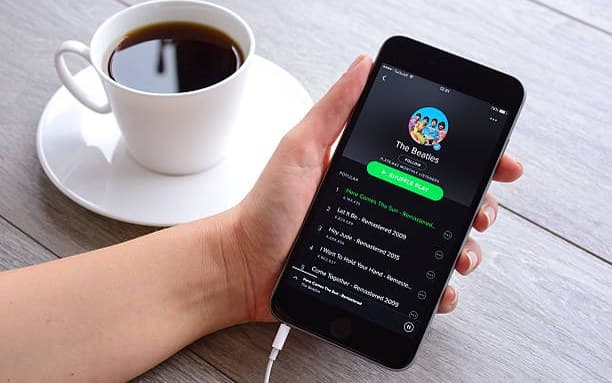
- Behavior and habits: when and how do they consume audio content? Do they favor certain platforms like Spotify, Apple Podcasts or perhaps local radio stations? What podcasts or shows does your target group listen to?
Step 3: Create high-quality audio content
The quality of your audio content plays a crucial role in how your brand is perceived. Invest in:
- Professional audio equipment: Clear and professional sounding audio quality is essential.
- Talented Speakers: Hire professional speakers or presenters who can connect with the audience.
- Content Relevance: Make sure each piece of content is informative, entertaining, or both, and provides value to your audience.
Tip: Use the power of storytelling
A particular strength of audio marketing lies in storytelling. Imagine that instead of just talking about the quality of your product, you tell the story of a customer who experienced a significant change in their life because of your product. For example, in addition to promoting its offerings, a gym could share the story of a member who improved their health and made new friends through regular exercise and trainer support.
Through well-told stories like these, brands can convey their messages in a way that sticks with listeners. Storytelling can strengthen emotional connections and increase brand awareness. When listeners are immersed in a compelling story, they develop a deeper connection to the brand that goes beyond just product information. Stories awaken emotions that stick in the listeners' minds and promote identification with the brand. Use the power of stories to bring your brand to life and build long-term relationships with your audience.
Choosing the right platforms to distribute your audio content through can make all the difference.
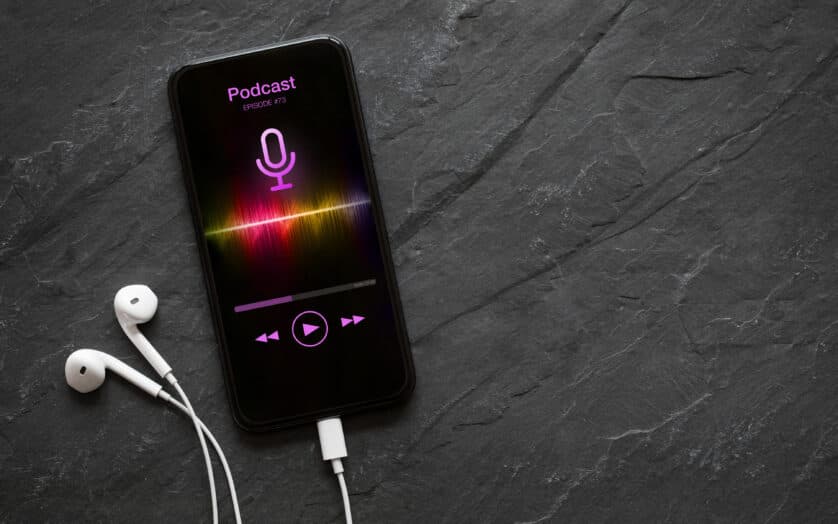
- Podcasts: Ideal for storytelling and deeper insights into topics that matter to your brand and audience.
- Social media: Short audio clips or stories can be shared on platforms such as Facebook or Instagram.
- Audio Ads: Platforms like Spotify and SoundCloud offer targeted advertising opportunities that are embedded directly into users’ audio experience.
Without continually evaluating your results, you won't be able to determine whether your audio marketing strategy is successful. Use audio analysis tools to find out and keep track of the following.
- Engagement rates: How often is your content played, shared or commented on?
- Listener growth: How is the number of subscribers or regular listeners developing?
- Conversion rates: Do your calls to actions lead to the desired actions?