
Why TikTok plays a special role in influencer marketing
Many brands evaluate TikTok according to the same criteria as Meta or Google. Put in the budget, track conversions, check ROAS. Based on this principle, TikTok often appears weak. Logically - it doesn't work after that.
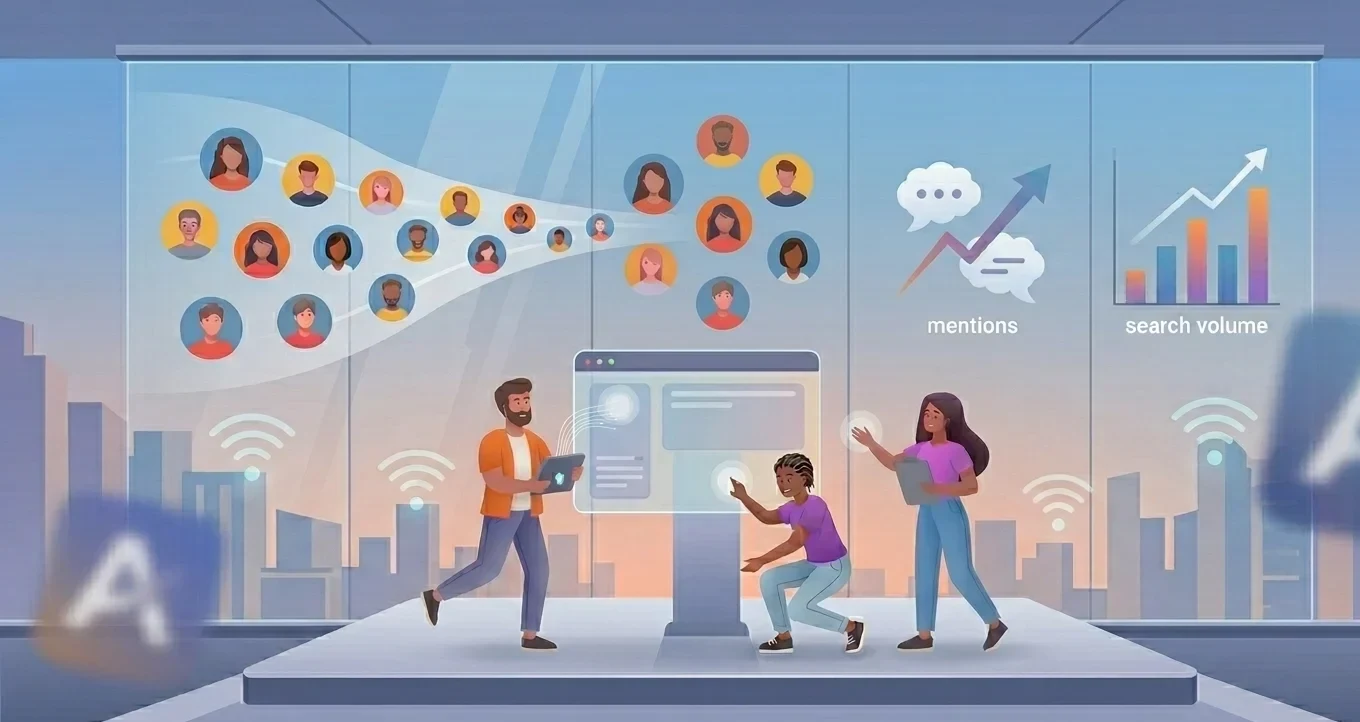
TikTok is primarily a demand creation channel, not a conversion channel. Users come with the intent to entertain, not with the intent to purchase. Nearly 2 billion users worldwide scroll, discover and get inspired. However, the purchase takes place three days later via Google, a direct search for the brand name or a click on a meta retargeting ad. The purchase looks organic, you can't trace it back to TikTok. So if you only measure the last click, you are underestimating TikTok.
What makes TikTok special compared to other platforms:
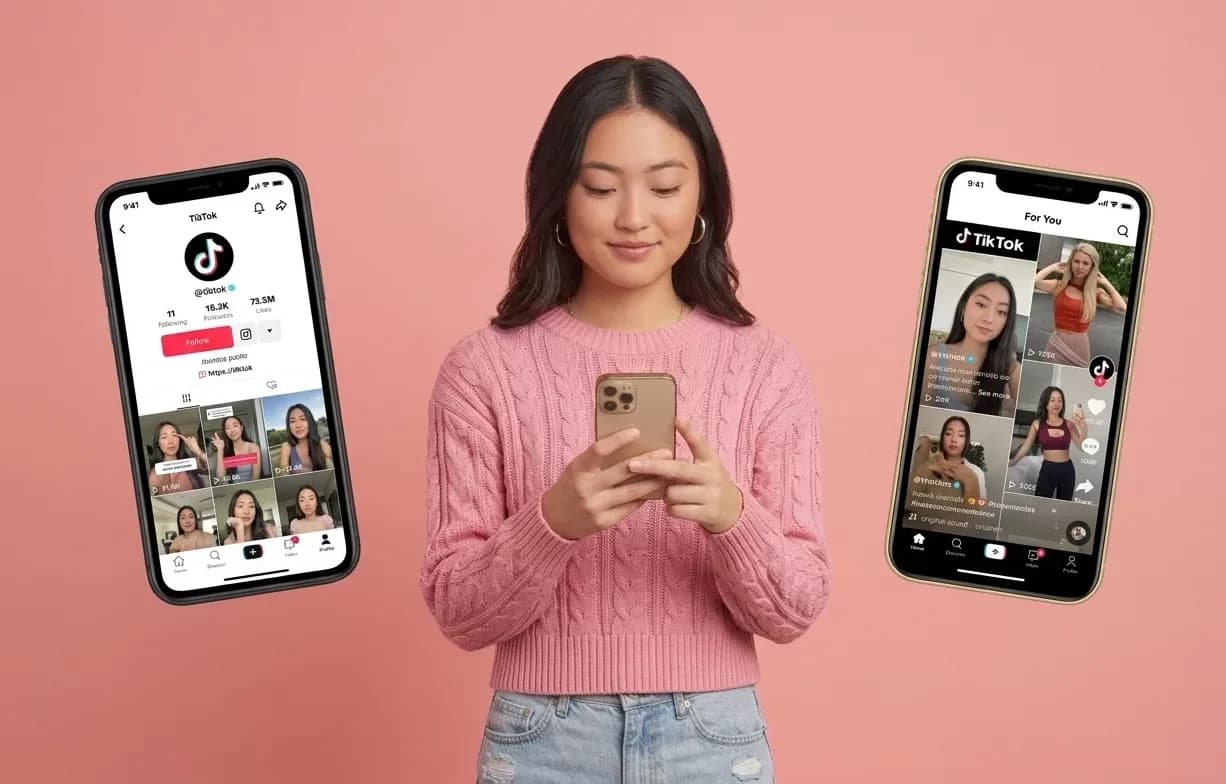
- Algorithmic reach instead of follower logic: TikTok uses the For-You feed based on relevance instead of the number of followers. Nano-creators can also go viral.
- Young but growing target group: Although the younger demographic still dominates in the DACH region, the spectrum is becoming broader.
- Own content culture: Authenticity, trends, sounds and native formats make TikTok what it is. High-gloss advertising material generally works worse here than candid content.
- Favorable reach: The CPMs on TikTok are still significantly lower than on Meta in many areas.
TikTok in the marketing funnel: first touch, not last click
Videos on TikTok attract attention. This puts them in the upper part of the funnel. Users don’t know your brand yet or have only noticed it in passing. Through a native creator video, they become aware of your company and become interested, but only buy at a different touchpoint. That's why Google and Meta are not competitors to TikTok: Instagram and Co. are often the platforms through which a purchase takes place.